Common problems with shared access gardens in Sutton
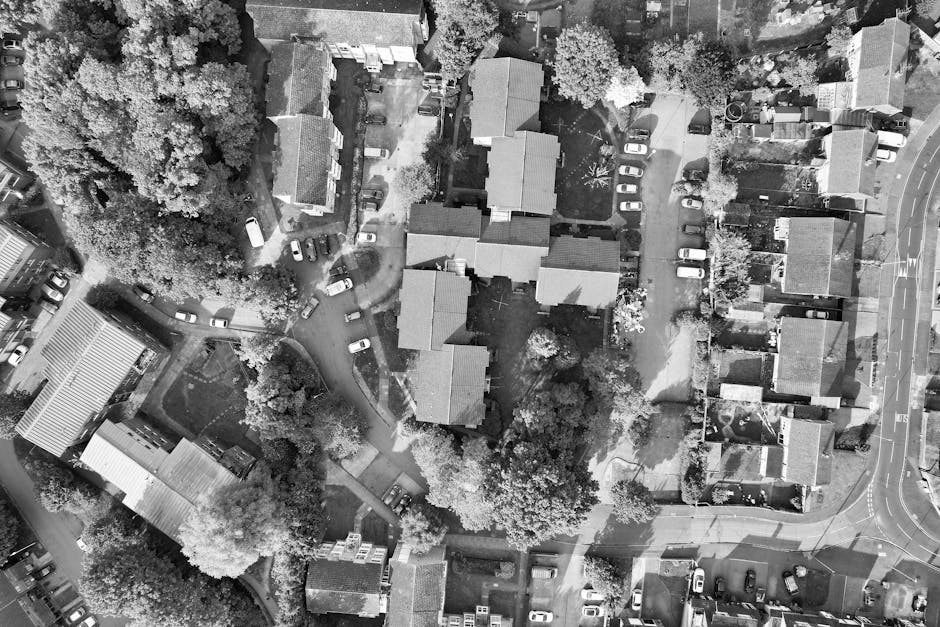
Shared access gardens can be a brilliant thing. They soften a row of homes, give neighbours a place to breathe, and make even a small outdoor space feel more generous. But let's be honest: once more than one household is involved, things get complicated. In Sutton, where many homes sit close together and access routes are often narrow, the common problems with shared access gardens in Sutton usually come down to one thing: too many people using the same space in different ways.
One person wants a tidy lawn and clipped hedges. Another wants a low-maintenance plot. Someone else is worried about children, bins, or the gate being left open. Add weather, uneven upkeep, and a bit of neighbourly frustration, and a peaceful shared garden can start to feel like a permanent low-level negotiation. This guide breaks down the real issues, why they happen, and what you can do about them without turning the whole thing into a drama.
Below, you'll find practical guidance on shared access, maintenance expectations, common mistakes, and how to create a fairer routine that works in the real world, not just on paper.
Why Common problems with shared access gardens in Sutton Matter
Shared access gardens matter because they affect everyday life, not just appearance. If the path is blocked, the gate sticks, the lawn is patchy, or no one knows who should cut back the hedge, the inconvenience builds up quickly. In Sutton, where many residents value a neat and usable outdoor space, these issues can affect privacy, safety, kerb appeal, and even neighbourly trust.
It's not only about looks. A shared garden that is poorly managed can create practical problems like trip hazards, overgrown access routes, pest attractants, damp patches near fencing, and confusion over waste storage. And if several households use the space differently, you can get friction over things like garden furniture, washing lines, pets, or when work should be carried out. You know how it goes: one person tidies at the weekend, another comes back from work and feels like everything's been moved. Small stuff, until it isn't.
The real reason this topic matters is simple. Shared outdoor space works best when everyone understands what is expected, what is allowed, and who is responsible for the bits that are less glamorous, like hedge trimming, lawn mowing, and occasional garden clearance. Without that, the garden slowly becomes nobody's job.
Expert summary: In shared access gardens, most disputes are not really about grass or plants. They are about unclear responsibility, inconsistent upkeep, and different expectations about what "shared" should mean in practice.
How Common problems with shared access gardens in Sutton Works
A shared access garden is usually one outdoor area used by more than one household, flat, or property. Sometimes the space is split informally. Sometimes it is defined by a lease, title plan, management agreement, or long-standing neighbour arrangement. The day-to-day reality is often less tidy than the paperwork.
In practical terms, it works like this: people share access, share some level of responsibility, and hopefully share the cost or effort of keeping the area in good condition. But the details matter. Does one household maintain the lawn while another handles hedges? Is the side path part of the communal space? Who pays for tree work if a branch starts hanging over the access route? And who decides whether the old decking stays or needs replacing?
When these answers are not clear, friction grows. In a Sutton street, you might see a neat front garden but a rear shared space that has become slightly chaotic by mid-summer. One neighbour may be happy to wait until autumn to deal with overgrowth. Another wants it done now because the bin route is awkward and the path has narrowed. Both viewpoints are understandable. That is the challenge.
From a maintenance perspective, shared gardens work best when the space is treated as a regular routine rather than a once-a-year rescue job. Light, consistent maintenance tends to prevent bigger problems. If you leave everything until it looks bad, you end up needing more time, more effort, and usually a bit more patience than anyone planned for.
Key Benefits and Practical Advantages
It may sound odd to talk about benefits when the subject is common problems, but shared gardens do have real advantages when they are managed well. The issue is not the shared nature of the space itself; it is the lack of structure around it.
- Shared cost and effort: When responsibility is agreed in advance, the burden does not sit on one household.
- Better use of limited space: A shared garden can feel larger and more flexible than a series of individual small plots.
- Improved appearance: Regular upkeep makes the whole property look more cared for.
- Safer access: Clear paths, trimmed hedges, and sensible clearance reduce the risk of blocked routes.
- Neighbourly goodwill: A fair system can reduce arguments and make the place feel more settled.
There's also a quieter benefit people often miss: predictable upkeep is less stressful. If everyone knows that the lawn will be mown regularly, that overgrowth will be cut back before it sprawls, and that waste will be removed in good time, the garden stops becoming a recurring irritation. That alone is worth a lot.
For households that want a more polished shared space, improvements such as structured landscaping, practical decking, or better edging can make maintenance easier too. If you are weighing up those options, the broader services overview is a sensible place to compare what different types of support might cover.
Who This Is For and When It Makes Sense
This topic is relevant to a few different groups, and the pain points vary depending on who you are.
- Homeowners in shared terraces or maisonettes: You may have a garden or access route that is technically shared, but practically unmanaged.
- Landlords and managing agents: You need the garden to stay usable, safe, and low-drama for tenants.
- Residents' groups or neighbours: You want a fair setup that keeps everyone comfortable.
- People planning improvements: If you're considering landscaping, decking, or new borders, shared access needs to be thought through first.
It makes sense to deal with shared garden problems early, before they harden into habits. Once one person has always cut the grass and another has never contributed, the imbalance can become awkward fast. Same with access. If one household keeps parking bikes across the path or leaving tools in the communal area, it can become accepted by default, which is never ideal.
If you are at the stage of deciding whether the garden needs a one-off reset or a more regular maintenance plan, a service like garden maintenance can help restore some order without overcomplicating things. And if the space is badly overgrown or cluttered, garden clearance may be the more realistic first step. Truth be told, sometimes you have to clear the mess before you can even have the conversation about how to share the space properly.
Step-by-Step Guidance
Here is a practical way to tackle shared access garden issues without making it feel like a full-scale negotiation summit.
- Identify the actual problem. Is it overgrowth, blocked access, uneven contribution, noise, rubbish, or a disagreement about use?
- Check what is shared. Look at any lease wording, title documents, or written neighbour agreement if one exists. If there is no written arrangement, treat that as a warning sign, not a disaster.
- Walk the space together. A short face-to-face conversation in the garden itself is often more useful than a flurry of messages. Standing next to the issue helps.
- List the practical priorities. For example: keep the access clear, reduce trip hazards, trim back hedges, mow the lawn, and remove stored clutter.
- Agree a routine. Decide who does what, how often, and what happens if someone cannot do their part.
- Set standards, not just intentions. "Keep tidy" is vague. "Cut the grass every two weeks in summer" is clearer.
- Book the work in if needed. If the space needs professional help, arrange it before the problem gets bigger and more expensive.
- Review after a few weeks. Shared arrangements often need a small adjustment once they are tested in real life.
A useful tip here: keep the first version simple. People are more likely to stick to a two-point agreement than a ten-point manifesto. Start with the basics and build from there if needed. That is usually where the peace lives.
If the access route is tight or overgrown, targeted services like hedge trimming and lawn mowing can make a big difference quickly. Small jobs, done well, can change how the whole space feels by the next morning.
Expert Tips for Better Results
After dealing with shared gardens for long enough, a few patterns become obvious.
- Keep access paths visually obvious. If the route looks blocked, people instinctively stop using it properly. Clear edges matter.
- Use seasonal thinking. Spring growth and late-summer overgrowth create different problems. A one-size plan rarely holds all year.
- Avoid "someone will deal with it" language. That phrase is a classic recipe for nobody dealing with it.
- Deal with trees early. If branches are shading too much, dropping debris, or squeezing the access path, it is easier to address them before they become a bigger issue. In some cases, tree lopping and removal may be the safer route.
- Be realistic about upkeep. A beautiful shared garden that no one has time to maintain is just a future argument waiting politely in the background.
Another useful habit is to photograph the space before and after major work. Not for drama, just for clarity. It helps everyone see what has changed and makes future discussions less fuzzy. The same applies if decking, paths, or planting beds are part of the shared area. Visual records are surprisingly calming.
And if the shared space is being improved rather than just repaired, consider whether a bit of redesign would make maintenance easier. A cleaner layout, simpler borders, or better surfacing can reduce disputes because the garden becomes easier to look after in the first place.
Common Mistakes to Avoid
Most shared access garden problems get worse because of a few predictable mistakes. Nothing exotic. Just ordinary avoidable stuff.
- Assuming everyone has the same standards. They probably do not.
- Leaving responsibility vague. Vague jobs tend to disappear.
- Trying to fix everything at once. That can overwhelm everyone and stall the process.
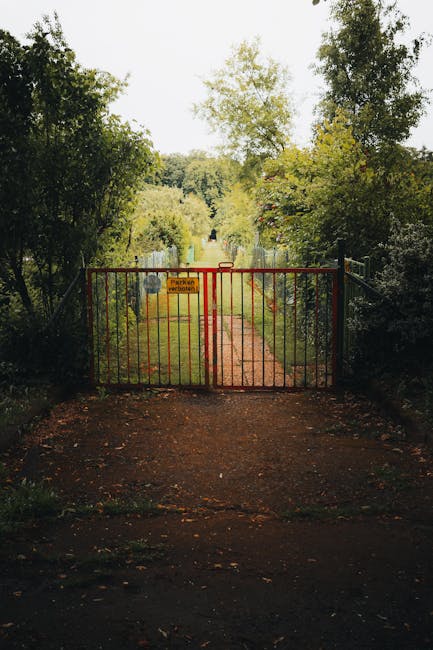
- Ignoring access pinch points. A narrow gate, broken latch, or overgrown side return can quickly become the most annoying part of the entire setup.
- Putting off major cutbacks. A hedge that is left too long will not become easier next month. It usually becomes less manageable, not more.
- Using messages instead of conversation. Texts are fine for reminders. They are not always great for delicate shared-garden issues.
There is also a quieter mistake: doing the work yourself without agreement when the space is shared. It sounds helpful, and sometimes it is, but it can also create resentment if others feel decisions were made on their behalf. Better to say, "I'm happy to arrange this if we all agree," than to do it first and explain later.
Tools, Resources and Recommendations
You do not need fancy equipment to keep a shared garden under control, but you do need the right practical tools and a sensible routine.
| Need | Useful approach | Why it helps |
|---|---|---|
| Clearing debris | Rakes, sacks, and a planned garden clearance | Keeps access routes open and prevents clutter building up |
| Grass control | Regular mowing and edge cutting | Makes the space look maintained and easier to use |
| Boundary control | Periodic hedge trimming | Prevents plants from taking over paths and sightlines |
| Tree concerns | Professional inspection and, where needed, tree work | Reduces risk around overhangs, shade, and falling debris |
| Long-term improvement | Thoughtful landscaping | Can reduce maintenance pressure and improve shared use |
For many Sutton properties, the most practical combination is regular maintenance plus occasional corrective work. That is especially true where a shared garden has become unevenly used or neglected. If you are trying to improve the overall layout, landscaping and landscape gardening can help make the space easier to manage in the long run.
Useful working habits include:
- keeping one shared schedule for the season
- agreeing who stores tools and where
- using clear labels for bins or communal items if needed
- checking gates, paths, and lighting regularly
- setting a realistic budget for occasional professional help
If you want to compare possible options and see what kind of support fits your space, pricing and quotes can be useful when you are trying to plan without guessing. And if you care about the waste side of things, recycling and sustainability is worth considering, especially after a larger tidy-up.
Law, Compliance, Standards and Best Practice
Shared access gardens can involve legal or contractual responsibilities, but the exact position depends on the property setup. Leasehold arrangements, deeds, managing agents, and private neighbour agreements can all change who is responsible for what. So, while the practical problems may look similar, the paperwork underneath them is not always the same.
As a general rule, the best practice is to keep shared routes clear, avoid creating hazards, and make sure any maintenance work is done safely and with proper agreement. Where trees, fences, decking, or structural features are involved, caution matters. A garden is not just decorative; it is part of the property environment, and neglect can cause nuisance or safety issues pretty quickly.
For anyone arranging work through a provider, it is sensible to check things like insurance cover, safety procedures, and how the work will be carried out. A contractor should be able to explain sensible precautions in plain language. If they cannot, that is a bit of a smell test. You do not need jargon; you need confidence.
It is also wise to keep communication clear and respectful, particularly where more than one household is affected. Written notes help, but a simple agreed plan is usually better. And if you are dealing with an ongoing disagreement, the company's complaints procedure may be relevant if work has already been booked and expectations need to be reviewed. For business practices and public-facing policies, it can also be useful to understand the provider's health and safety policy and insurance and safety approach.
Options, Methods, or Comparison Table
There is no single right way to manage a shared access garden. The best option depends on how much space you have, how many people use it, and how much time anyone realistically wants to spend on upkeep.
| Approach | Best for | Pros | Trade-offs |
|---|---|---|---|
| Informal neighbour agreement | Small, well-behaved shared spaces | Flexible and quick to set up | Can fall apart if expectations are not clear |
| Scheduled communal maintenance | Regularly used access gardens | Predictable and fairer | Needs commitment from everyone |
| One-off restoration plus routine upkeep | Overgrown or neglected spaces | Good for a fresh start | Requires an initial spend and follow-through |
| Redesign for easier upkeep | Problematic layouts | Can reduce future work | Needs planning and usually more budget |
If the main issue is that the garden simply has too many maintenance headaches, the best path may be a reset first, then a lighter routine afterward. In some cases, a mix of garden clearance and practical ongoing care works better than trying to patch the problem in place.
Case Study or Real-World Example
Picture a Sutton property with a rear shared garden behind two flats. The access path is narrow, the hedge has grown into the walkway, and the lawn has become patchy because each household thought the other one was dealing with it. Nothing dramatic. Just a slow slide into awkwardness.
One resident keeps the place tidy in summer, but only when the mood strikes. The other is away a lot and assumes the garden "mostly looks after itself." Meanwhile, the bin area gets cramped, the gate sticks, and one side of the garden starts feeling like nobody's quite sure they are allowed to move a chair there. Classic shared-space tension.
The fix was not complicated, just honest. The households agreed to split the key jobs: hedge trimming every couple of months, lawn mowing on a regular cycle, and a one-off clearance to remove old plant pots and broken bits of timber. They also agreed that any future improvements, such as decking or new planting, would be discussed first rather than added casually. A small adjustment, but it changed the tone completely.
That sort of outcome is common. The problem often looks like "the garden" from a distance, but once you get close, you realise the real issue is structure. When the structure improves, the space feels easier almost immediately. And a bit quieter, too.
Practical Checklist
Use this checklist if you are trying to sort out a shared access garden without missing the obvious:
- Is the access route clear and safe?
- Do all households understand which areas are shared?
- Has responsibility been agreed for mowing, trimming, and clearing?
- Are overgrown hedges, branches, or edges causing blockage?
- Is there rubbish, broken furniture, or unused clutter in the space?
- Has anyone checked whether the garden needs a one-off clearance?
- Would regular maintenance prevent repeat problems?
- Do all users know where tools, bins, or communal items are stored?
- Has everyone had a chance to agree before bigger changes are made?
- Are any safety concerns, damp issues, or trip hazards being ignored?
If you can answer "no" to several of those, the garden probably needs a reset rather than a quick tidy. That is not a failure. It is just the honest starting point.
Conclusion
Shared access gardens in Sutton work best when the space is treated as a shared responsibility, not a shared assumption. The common problems are usually straightforward once you name them: unclear duties, overgrowth, blocked access, uneven effort, and different ideas about what tidy looks like. The good news? Most of them are fixable with a practical plan and a bit of consistency.
Start with the basics. Make access safe. Keep the lawn and hedges under control. Clear out clutter before it becomes a habit. And if the space has already drifted into "who's supposed to do this?" territory, don't wait for it to sort itself out. It usually won't. A sensible reset now is far easier than a bigger repair later.
Get a free quote today and see how much you can save.
And if you do get the garden back into shape, it's worth pausing for a moment and enjoying that quiet, ordinary satisfaction: the gate opens easily, the path is clear, and the whole place just feels calmer. Funny how much difference that makes.
Frequently Asked Questions
What are the most common problems with shared access gardens in Sutton?
The most common issues are unclear responsibility, uneven upkeep, blocked access, overgrown hedges, disputes about use, and a lack of agreed routine for maintenance. These problems often grow slowly, which is why they can feel harder than they should.
How do shared access gardens usually become a problem?
They usually become a problem when everyone assumes someone else will deal with the upkeep. Once mowing, trimming, and clearing are left to guesswork, the garden often drifts into a neglected state and frustration builds.
Who is normally responsible for maintaining a shared garden?
That depends on the property arrangement. It may be set out in a lease, deed, management agreement, or informal neighbour arrangement. If nothing is written down, it is best to clarify expectations before work starts.
Can a shared garden affect access and safety?
Yes. If paths are blocked, gates stick, branches hang low, or rubbish is left in the way, the space can become awkward or unsafe to use. Clear access is one of the first things to protect.
What should I do if neighbours disagree about garden upkeep?
Keep the conversation practical and specific. Focus on what needs doing, when it should happen, and who will take each task. A calm walk-through of the garden often works better than back-and-forth messages.
Is a one-off clearance enough to fix a shared garden?
Sometimes, yes, if the issue is mainly clutter or overgrowth. But if the garden has a history of being neglected, a one-off clearance is usually best followed by regular maintenance so the same problems do not return.
Do shared access gardens need professional help?
Not always. Smaller spaces may be manageable with good cooperation. But if the garden is overgrown, the access route is difficult, or nobody can agree on a routine, professional help can save time and reduce conflict.
What kind of maintenance is most useful in a shared garden?
Regular mowing, hedge trimming, boundary tidying, and seasonal clearance tend to make the biggest difference. Simple, repeated work often beats occasional heavy intervention.
Can landscaping make a shared garden easier to manage?
Yes. Thoughtful landscaping can improve movement, reduce awkward corners, and make upkeep easier. Even modest changes to layout or planting can make a shared space less troublesome.
How do I know whether the garden needs clearing or just routine care?
If the space is cluttered, overgrown, or difficult to access, start with clearance. If the garden is basically fine but just needs regular attention, a maintenance plan is likely enough. Often, it is a bit of both.
What if nobody wants to take the lead?
That is very common. In that case, keep the first step small: agree one visible issue, sort that out, then build a simple routine from there. Once people see progress, they are usually more willing to cooperate.
How can I stop the same shared garden problems coming back?
Set a basic schedule, keep communication clear, and review the arrangement seasonally. If the garden layout is part of the problem, small design improvements may be needed so the space is easier to look after in the long term.