 Gardening Sutton: Recycling and Sustainability for Greener Gardens
Gardening Sutton is committed to creating an eco-friendly waste disposal area and a resilient sustainable rubbish gardening area that supports local biodiversity and reduces waste. Our approach blends practical on-the-ground services with strategic partnerships, aiming to divert as much material as possible from landfill. We work within the borough's waste separation framework—encouraging residents and clients to sort food waste, garden waste and dry recyclables—to maximise reuse and composting opportunities.
We have set an ambitious recycling percentage target for our operations: to recycle or repurpose 70% of green and household gardening waste by 2028. This target covers soil reuse, green composting, wood chipping for mulch, and salvaging reusable materials like bricks, pots and timber. Our sustainable garden waste area is designed to accept mixed green waste while following the borough's preferred separation practices, with clear signage and staff oversight to reduce contamination.
Local Transfer Stations and Civic Amenity Links
Our routes include regular drop-offs to local transfer stations and civic amenity sites across the borough and neighbouring districts. These transfer stations are vital hubs where sorted materials are consolidated for recycling or specialist processing. We prioritise those facilities that accept segregated streams—food waste, wood, soil and inert materials—so that compostable garden waste is managed in low-emission anaerobic digestion or high-quality communal composting schemes. This localised network helps keep transport miles low and processing times short.Partnerships with Charities and Community Projects
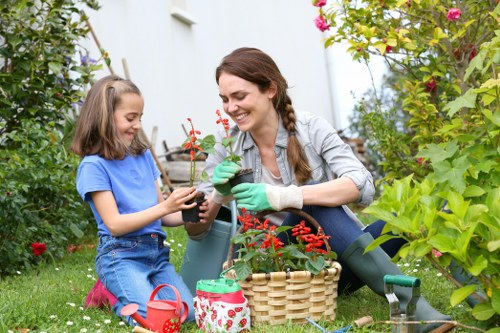
 Gardening Sutton collaborates with a variety of charities and community organisations to extend the lifecycle of garden materials. We donate usable soil, surplus plants, tools and reclaimed timber to community gardens, allotments and local charities focused on food growing and urban greening. These partnerships support social value—helping to create community orchards, school garden beds and nature corridors—while keeping valuable organic matter in circulation rather than entering the waste stream.
Our charity partnerships also include programs for redistributing clean pots, seed trays and garden furniture. By giving items a second life we reduce demand for new production and the embedded carbon that comes with it. We believe reuse is as important as recycling, and our networks prioritise redistribution before mechanical processing wherever possible.
Low-Carbon Transport and Fleet Strategy
The sustainability of our waste handling depends on low-impact transport. Gardening Sutton operates a fleet of low-carbon vans and service vehicles—primarily electric vans supplemented by hybrid and biofuel options for heavier loads. These low-emission delivery and collection vehicles are routed to minimise mileage and idle time, reducing our carbon footprint while keeping transfer runs efficient. We continually monitor vehicle emissions and ride-sharing for crews to further reduce the transport impact of our services.
Materials and Recycling Activities
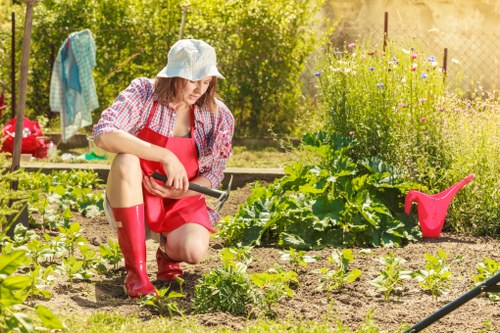 In practice, our recycling activities focus on the most relevant categories for urban gardening: green waste (leaves, grass cuttings, prunings), woody material (branches for chipping), soil and spoil reuse, and separation of mixed inert waste. We run on-site wood chipping for mulch and pathways, and we maintain composting bays for longer-term decomposition of mixed green waste. For households and clients in the borough, we align with the local approach to waste separation: clear segregation into food, garden and dry recycling streams to aid downstream processing.
Key operational steps include:
- On-site segregation and contamination checks
- Transport to accredited transfer stations
- Donation and redistribution to charities when materials are reusable
- Composting, mulching and soil remediation for garden reuse
These steps minimise landfill and encourage circular resource loops within the borough and beyond.

Our Vision and Ongoing Commitments
Gardening Sutton is dedicated to long-term improvements in sustainable waste disposal and the creation of a model sustainable rubbish gardening area that other local services can emulate. We aim to reach our recycling target through continuous improvement in sorting practices, expanded charity partnerships, and increased use of low-carbon vans. By combining practical onsite measures with strategic links to local transfer stations and community projects, we deliver a service that is both environmentally responsible and tuned to local needs.
Get involved: Join us in separating garden and food waste, donating reusable items, and supporting our local composting initiatives. Together we can create greener public spaces, stronger community networks and a lower-carbon future for gardening across the borough.