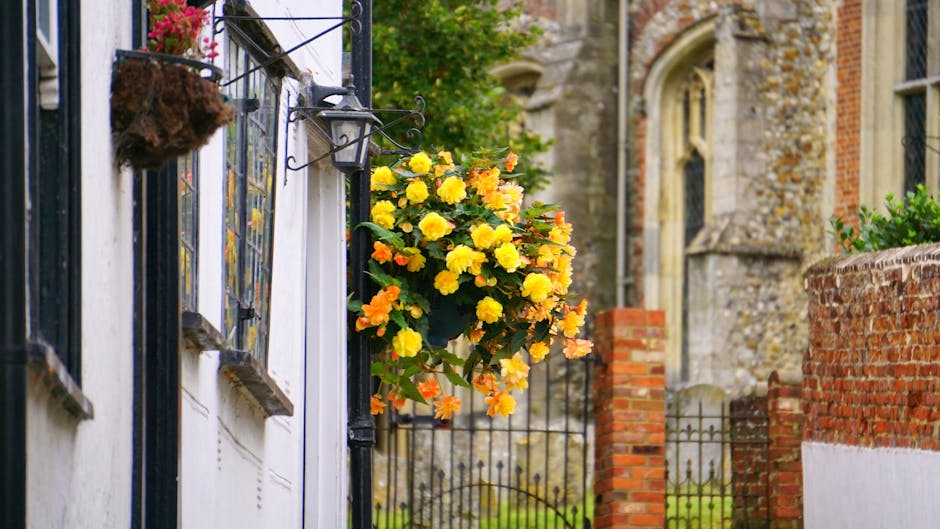
Garden maintenance Cheam Village terraces and patios
If you live in Cheam Village, you already know the charm of a terrace or patio can disappear quickly when the weather turns damp, weeds creep into joints, and outdoor surfaces start to look tired. Garden maintenance Cheam Village terraces and patios is really about keeping those compact outdoor spaces safe, tidy, and pleasant to use all year round. That might sound straightforward, but in practice it means handling a lot of small details well: clearing leaves before they stain, stopping moss from turning paving slippery, trimming back overgrown planting, and making sure the space still feels like part of the home rather than a forgotten corner.
For many homes, terraces and patios are the main garden. They are where people drink morning coffee, keep pots looking alive through winter, and squeeze a surprising amount of everyday living into a relatively small footprint. The good news? With a sensible routine, even a modest space can stay inviting instead of becoming one more weekend job that never quite gets done. This guide walks through what proper maintenance looks like, why it matters, and how to keep the whole area in good shape without making life complicated.
Table of Contents
- Why Garden maintenance Cheam Village terraces and patios Matters
- How Garden maintenance Cheam Village terraces and patios Works
- Key Benefits and Practical Advantages
- Who This Is For and When It Makes Sense
- Step-by-Step Guidance
- Expert Tips for Better Results
- Common Mistakes to Avoid
- Tools, Resources and Recommendations
- Law, Compliance, Standards, or Best Practice
- Options, Methods, or Comparison Table
- Case Study or Real-World Example
- Practical Checklist
- Conclusion
- Frequently Asked Questions
Why Garden maintenance Cheam Village terraces and patios Matters
Terraces and patios in Cheam Village tend to face the same set of challenges, just in a slightly different mix depending on shade, paving type, and how much the space is used. Some are tucked behind older brick homes with beautiful but awkward access. Others are more open and get plenty of sun, which sounds lovely until summer dust, pot marks, and dry soil start collecting around the edges. And then there are the north-facing spots. Let's be honest, they can get a bit green and slippy if they are not kept on top of.
Maintenance matters because small outdoor spaces age visually very quickly. A single season of fallen leaves, algae, and empty pots can make a terrace look neglected, even if the rest of the property is well cared for. More importantly, poor upkeep can create real problems: unsafe surfaces, blocked drainage, pest-friendly clutter, and damage to pointing, edging, or decking. The work is not only cosmetic. It is protective.
There is also the practical side. If your patio is supposed to be useful, it needs to stay accessible. A clean, well-kept terrace is easier to use for dining, children's play, container growing, or simply stepping outside for some air. In a place where gardens can be compact, every square metre matters.
Expert summary: the best terrace and patio maintenance is not about making a space look perfect every week. It is about building a steady routine that prevents grime, moss, weeds, and wear from piling up in the first place.
How Garden maintenance Cheam Village terraces and patios Works
Good maintenance is usually a mix of cleaning, inspection, trimming, and light repairs. You do not need to overhaul everything every time. In most cases, the work is split into manageable tasks that keep the space under control. That is the sensible way to do it, to be fair. Otherwise you end up with one of those "whole weekend lost" situations that nobody really enjoys.
A typical maintenance visit or routine will often begin with a quick assessment. What is growing where it should not? Are the joints in paving loose? Is water sitting where it should drain away? Are pots blocking access? Once those basics are clear, the actual maintenance can begin: sweeping, weed removal, green algae treatment, cutting back boundary planting, edging, and tidying around furniture or fixtures.
If the terrace or patio includes nearby planting beds, the maintenance may also involve broader garden care. For example, a climber may need training, a hedge may need a light trim, or the lawn edge beside the hard landscaping may need sharpening up. Services such as garden maintenance, lawn mowing, and hedge trimming often overlap with patio care because the boundaries between these areas are where mess tends to build up first.
In more involved cases, the work can extend into clearing larger amounts of debris or preparing the area for seasonal refreshment. If there is a lot of old planting material, broken pots, or accumulated waste, garden clearance may be the more suitable first step before any fine-tuning begins.
Key Benefits and Practical Advantages
Well-maintained terraces and patios do more than look tidy. The benefits show up in how the space feels and how long its materials last.
- Improved safety: regular cleaning reduces moss, algae, and leaf build-up that can make paving slippery.
- Better appearance: a clean patio instantly lifts the look of the whole property, even if the garden itself is small.
- Longer surface life: removing grime and weeds helps protect pointing, joints, and edge finishes.
- Less repair work later: small issues are easier to deal with before they become cracked paving or water damage.
- More usable space: a tidy terrace is easier to sit in, walk across, and enjoy without having to move things out of the way first.
- Better planting results: when pots and border plants are maintained properly, they look fuller and healthier rather than forgotten.
There is also something subtler going on. A neat terrace changes how you use the home. People naturally step outside more when the area feels cared for. A cup of tea in the morning becomes a habit. A small table and chairs start to feel worthwhile. That sounds minor, but it is a genuine quality-of-life improvement.
Who This Is For and When It Makes Sense
This kind of maintenance is relevant to a wide range of properties in Cheam Village, especially homes with limited outdoor space or hard landscaping that forms the main garden. It suits:
- homeowners who want a low-fuss garden that still feels welcoming
- landlords preparing a property between tenancies
- busy families who need the outdoor space to stay safe and presentable
- older residents who would rather avoid physically demanding upkeep
- people with courtyard gardens, rear terraces, or paved patios where weeds and moss appear quickly
- owners who entertain outdoors and want the space to feel ready without last-minute scrubbing
It also makes sense when the garden is nearing that awkward point where it is not quite out of control, but it is clearly heading there. That is usually the best time to act. Waiting until the patio is fully green and the planting has swallowed the edges only makes the job harder. You know the feeling - you tell yourself you will deal with it next weekend, and then suddenly it is three weekends later.
If you are thinking beyond routine upkeep and want a more comprehensive change, it may also be worth looking at landscaping or landscape gardening. Those services become relevant when maintenance alone is no longer enough to solve drainage, layout, or access problems.
Step-by-Step Guidance
A reliable terrace and patio maintenance routine does not need to be dramatic. In fact, it works best when it is simple and repeatable. Here is a practical approach.
- Clear the surface first. Remove furniture, plant pots, loose ornaments, and anything that traps dirt underneath. You want to see the actual surface, not the dust hiding beneath a chair leg.
- Sweep thoroughly. Start with dry debris: leaves, twigs, grit, flower petals, and soil. Sweeping before washing makes the rest of the job much easier.
- Check for weeds and moss. Look closely at joints, cracks, and shaded corners. These are the places where growth gets a foothold.
- Wash or scrub the hard surface. Use an appropriate method for the material. Not every patio likes the same level of force, and overdoing it can cause more harm than good.
- Inspect drainage and edges. Make sure water can run away freely and that no soil or mulch is washing over the surface from nearby beds.
- Tidy the surrounding planting. Cut back anything spilling into the path, terrace, or seating area. A border that crowds the patio makes the space feel smaller fast.
- Reset the space. Put furniture back neatly, refresh pots if needed, and keep items slightly raised where practical so they do not trap moisture.
If the patio is made from natural stone, old brick, or decorative concrete, the cleaning method should be chosen carefully. A harsh approach may remove surface finish, wash out jointing, or leave patchy marks that are worse than the original dirt. That is one of those things people only notice after the fact. Unfortunately.
For wooden features near terraces, like retaining structures or seating zones, you may need additional care. Services such as decking services can be useful if timber elements need proper treatment or repair alongside the patio itself.
Expert Tips for Better Results
After enough routine garden work, a few patterns become obvious. The spaces that stay cleaner are not always the biggest or newest; they are the ones with the simplest habits built in.
- Keep on top of the corners. Dirt collects at edges, behind pots, under steps, and around drains. If you only clean the middle of the patio, the mess will come back in funny little rings at the sides.
- Use pot feet or stands. Raising containers slightly helps reduce staining and improves airflow underneath them.
- Cut back overhang early. Plant growth that leans over the terrace drops moisture and debris onto the paving. A light trim is easier than a heavy one later.
- Choose the right plants near hard surfaces. Avoid overly messy species where possible if you want less sweeping.
- Clean after leaf fall, not months later. Fresh leaves are far easier to remove than leaf sludge.
- Think in seasons. A spring tidy, summer top-up, and autumn clean often work better than waiting for one big annual overhaul.
A slightly underestimated tip: keep a small "reset zone" for outdoor items. If a terrace gets crowded with storage, wet shoes, or random extras, it starts looking untidy even when the paving is clean. A bit of discipline goes a long way. Not glamorous, but it works.
Common Mistakes to Avoid
It is easy to make a terrace or patio maintenance job harder than it needs to be. The most common mistakes are usually simple ones.
- Using too much pressure too soon. High-pressure cleaning can damage joints or force water where it should not go.
- Ignoring drainage. If water sits after rain, cleaning alone will not solve the underlying issue.
- Letting weeds mature. Small seedlings are quick to remove. Rooted weeds are not.
- Leaving pots directly on the surface all year. They can stain, trap moisture, and encourage algae beneath them.
- Forgetting the surrounding planting. A pristine patio next to an untidy border still looks half-done.
- Cleaning only when it looks bad. By then, growth and grime are already more stubborn.
The biggest mistake, if we are being honest, is treating the patio like a separate island. In reality, terraces and patios are part of the wider garden system. Water, shade, planting, and foot traffic all affect them. Once you understand that, the maintenance becomes much more logical.
Tools, Resources and Recommendations
For most small to medium terraces and patios, the right toolkit is modest. You do not need a shed full of gadgets. Just sensible, reliable tools that suit the materials involved.
| Task | Useful tool or approach | Why it helps |
|---|---|---|
| Removing debris | Stiff broom, hand brush, dustpan | Gets rid of loose dirt before it turns into stain and slurry |
| Weed removal | Hand weeder, scraper, or careful manual removal | Targets growth at the joints without disturbing the surface too much |
| General cleaning | Appropriate patio wash and soft scrubbing | Cleans without over-wearing delicate materials |
| Border tidying | Secateurs, shears, or hedge trimming equipment | Keeps planting from spilling into the terrace space |
| Waste removal | Heavy-duty bags or collection bins | Makes tidying faster and stops debris from being carried back across the patio |
If the area regularly produces a lot of material, from clipped growth to dead plants and old containers, a broader seasonal tidy may help. That is where garden clearance can sit alongside routine maintenance rather than replacing it.
It is also worth thinking about how the job is completed, not just what tools are used. Experienced maintenance work should be careful around nearby planting, drains, thresholds, and decorative finishes. If in doubt, slower and more controlled usually wins.
Law, Compliance, Standards, or Best Practice
For most domestic terrace and patio maintenance, the main concerns are safety, neighbourly good practice, and avoiding damage. There is usually no special legal process for routine upkeep, but there are still sensible standards to follow.
For example, any contractor working on your property should act with care, especially when using powered tools, lifting waste, or cleaning surfaces that may become slippery during the work. Good practice also means managing waste responsibly, keeping access routes clear, and avoiding nuisance to neighbours through noise or debris. If services include waste handling or clearance, it is reasonable to expect proper disposal methods and a tidy finish.
Safety matters in practical ways too. Wet paving can be extremely slippery, and patios with uneven edges or loose slabs need attention before they become a trip hazard. If work involves trees, mature branches, or overhanging growth, then a more specialised service such as tree lopping and removal may be required rather than basic trimming.
It is also sensible to work with providers who are clear about trust and process. A company's insurance and safety approach, together with its health and safety policy, gives you a better sense of how responsibly it operates. Those pages are not just paperwork; they tell you how seriously the business takes the job.
Options, Methods, or Comparison Table
There is more than one way to keep a terrace or patio in good condition. The right method depends on the material, the age of the surface, and how much ongoing attention the space gets.
| Method | Best for | Pros | Limitations |
|---|---|---|---|
| Routine manual maintenance | Small patios, regular upkeep | Gentle, flexible, low disruption | Can take time if build-up is heavy |
| Seasonal deep clean | Areas with visible grime or moss | Strong visual improvement, resets the space | Needs careful technique on delicate surfaces |
| Maintenance plus clearance | Overgrown or cluttered spaces | Good for getting back control quickly | More labour-intensive at the start |
| Maintenance with landscaping support | Spaces needing layout or drainage improvements | Solves bigger usability issues | Requires more planning and sometimes more budget |
In many homes, the best answer is a blend. A clean patio with no boundary planting under control will not stay tidy for long. Likewise, a beautifully trimmed border beside a dirty slabbed area still feels unfinished. The most reliable setups deal with both the hard and soft sides of the garden together.
Case Study or Real-World Example
Think of a typical Cheam Village terrace: modest size, a paved seating area, a couple of raised pots, and a narrow strip of planting at the edge. Over spring and summer, the terrace gets used regularly. By late autumn, leaves have tucked themselves into corners, the joints have started to green over, and one or two pots have been left in the same place for so long that the paving beneath them is a different shade.
The first step is not usually a massive overhaul. It is a reset. The pots come off the surface, the whole area is swept, the edges are checked, and the green growth is removed with care. The border gets a light trim, because the ivy and shrubs are leaning into the sitting area. Then the furniture goes back in a slightly better layout, giving the terrace a bit more breathing room.
Nothing dramatic. But the difference is obvious. The surface looks brighter. The seating area feels larger. And the owner stops avoiding the space every time the weather is decent. That is the real value, really - not perfection, just a space you actually want to use.
Practical Checklist
Use this checklist to keep terrace and patio maintenance simple and consistent.
- Remove furniture and loose items from the surface
- Sweep away leaves, grit, and debris
- Check patio joints, edges, and loose slabs
- Remove moss and weeds before they spread
- Clean the surface using a method suitable for the material
- Inspect drainage and standing water after rainfall
- Trim nearby planting that spills into the patio space
- Raise pots where possible to reduce staining
- Clear clutter so the area feels open and usable
- Book a deeper maintenance visit if the space is getting hard to keep on top of
If the garden has become too much to handle in one go, starting with a simple clearance can make the rest of the maintenance feel surprisingly manageable. Sometimes that first pass is the hardest part.
Conclusion
Garden maintenance Cheam Village terraces and patios is about more than surface cleaning. It is about keeping a valuable part of the home safe, tidy, and usable through the changing seasons. With the right routine, even a compact terrace can stay bright, welcoming, and low-stress to look after. The trick is consistency: clear, sweep, inspect, trim, and reset before little issues turn into bigger ones.
If your outdoor space is starting to feel neglected, or you simply want a better system for staying on top of it, a professional approach can save time and make the results last longer. You do not need to wait until everything looks tired. A bit of care now usually pays off later, and that's the satisfying bit.
Get a free quote today and see how much you can save.
For a broader view of available services and how they fit together, you can also explore the services overview, learn more about the team, or check the pricing and quotes page when you are ready to plan the next step.
Frequently Asked Questions
How often should a terrace or patio be maintained?
Most patios and terraces benefit from light upkeep every few weeks and a more thorough clean at least seasonally. If the area is shaded, tree-covered, or heavily used, you may need attention more often. The best schedule is the one that prevents build-up rather than reacting to it later.
What is the best way to remove weeds from patio joints?
For small growth, manual removal is usually the safest starting point because it avoids disturbing the joints unnecessarily. If weeds keep returning, it may be a sign that debris is sitting in the gaps and creating a base for regrowth.
Can pressure washing damage patio slabs?
Yes, it can, especially if the surface is older, softer, or already slightly loose. Pressure should be used with care and adjusted to the material. Not every patio needs a heavy wash; some only need a controlled clean and proper sweeping.
Why does my patio get slippery so quickly?
Shade, damp weather, fallen leaves, and nearby planting all encourage algae and moss. Patios that stay damp for long periods usually need more frequent cleaning and better airflow around them.
What should be included in garden maintenance for a small terrace?
At a minimum, sweeping, weed control, moss removal, border tidying, and surface cleaning. If there are pots, steps, drainage points, or nearby hedges, those should be checked too because they affect how the patio feels and functions.
Is patio maintenance different from general garden maintenance?
Yes, but they overlap a lot. Patio maintenance focuses on the hard surfaces and immediate surroundings, while general garden maintenance can also include lawn care, hedge trimming, and wider planting areas. In many homes, they work best as one joined-up routine.
When does a patio need more than maintenance?
If slabs are moving, drainage is poor, or the layout no longer suits how you use the garden, maintenance alone may not be enough. That is when broader landscaping or landscape gardening can make more sense.
How do I keep pots from staining the patio?
Use pot feet or stands where possible, and move containers occasionally so moisture does not sit in the same place for months. It sounds tiny, but it makes a noticeable difference over time.
Should patio cleaning be done before or after trimming plants?
Usually after a light trim, but before a final tidy-up. Cutting back overhanging growth first helps stop fresh debris from landing straight back onto a freshly cleaned surface.
What if my terrace has a lot of waste and clutter built up?
Start with a clearance rather than trying to clean around everything. When a space is heavily cluttered, a proper reset through garden clearance often makes the maintenance far more effective.
How do I know if a garden contractor is trustworthy?
Look for clear service information, sensible safety standards, and straightforward communication. Pages such as insurance and safety and the company's health and safety policy can give useful reassurance before you book.
Can patio maintenance be combined with other services?
Yes, and that is often the most efficient route. Many properties benefit from patio care alongside lawn mowing, hedge trimming, or even smaller landscape improvements if the outdoor space needs a broader refresh.