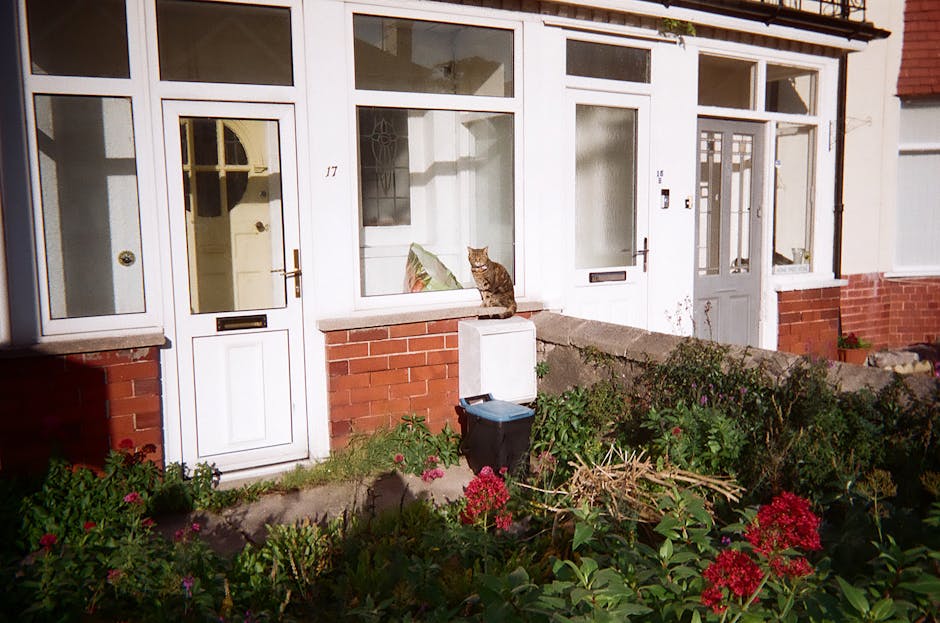
Gardeners for Victorian terraces near Sutton Station: practical local help for compact, characterful gardens
If you live in a Victorian terrace near Sutton Station, you probably already know the garden can be both a joy and a puzzle. The space may be narrow, a bit shaded, overlooked by neighbours, or split into awkward levels that never quite behave. That is exactly where Gardeners for Victorian terraces near Sutton Station can make a real difference: with thoughtful maintenance, smart planting, and a plan that respects the age and shape of the property.
In this guide, we will look at what makes terrace gardens different, how a good local gardener approaches them, and what to expect when you want the space to look tidy without losing its charm. There is a practical side to this, of course, but also a gentle one. A well-kept terrace garden can turn a tight outdoor strip into somewhere you actually want to sit with a cuppa on a bright Saturday morning. Simple enough, but not always simple to achieve.
Whether you want routine upkeep, a one-off reset, or more considered landscaping, the right approach is usually a mix of sensible maintenance and a clear eye for proportion. That is especially true around Sutton Station, where many homes benefit from a garden style that feels neat, calm, and easy to manage without making the plot look stripped bare.
Why Gardeners for Victorian terraces near Sutton Station Matters
Victorian terraces tend to come with a distinct set of garden challenges. The plot may be long and narrow, the soil may have been compacted over years, and mature boundaries can create patchy light. In a place like Sutton, where homes are often close together and outdoor space is precious, those details matter more than people expect. A terrace garden is not just "small garden, done." It often needs a specialist approach that balances tidiness, privacy, and character.
To be fair, many gardens like this look fine from a distance and then reveal all their awkward bits once you step outside. The hedge leans, the lawn thins out near the back, the path gets mossy, and the borders start feeling crowded. A gardener who understands Victorian terraces will usually look at the space in layers: access, drainage, light, boundary structure, and how the garden is actually used day to day.
That matters because terrace gardens are rarely just decorative. They often double as places for storage, family time, drying laundry, entertaining, and the occasional burst of ambitious planting. Good garden care helps the space work harder without turning it into a chore. And if the property is near Sutton Station, a sensible upkeep routine can be especially helpful for busy households that want the garden kept presentable without spending every weekend on it.
There is also a visual reason. A Victorian terrace often has strong period lines, brickwork, sash-style character, and a fairly defined rear elevation. The garden should usually complement that rather than fight it. You do not need an overdesigned showpiece. You need a garden that feels intentional. That is the sweet spot.
How Gardeners for Victorian terraces near Sutton Station Works
At its best, gardening support for a Victorian terrace starts with a proper look at what is already there. Not just "what needs cutting," but what should be kept, shaped, reduced, renewed, or replaced. The first visit or assessment often focuses on the following:
- how much daylight reaches the main planting areas
- whether the soil drains freely or stays wet
- what kind of boundary screening already exists
- which plants are healthy and worth keeping
- whether the lawn, paving, and edges need attention
- how much upkeep the household can realistically manage
From there, the work may be divided into maintenance, clearing, and improvement. A gardener might start with garden clearance, cut back overgrown shrubs, trim hedges, mow the lawn, tidy the edges, and then move into structural work such as re-shaping borders or refreshing tired planting. If the garden needs a bigger rethink, landscape gardening or landscaping can come into play, especially where a terrace garden has become cluttered or difficult to use.
There is usually no magic trick. Most good results come from a clear sequence: tidy first, assess second, then improve. Sounds obvious, but you would be surprised how many gardens get over-planted before they are properly understood. One afternoon of cutting back can reveal a lovely brick path, a surprisingly good sightline, or even a usable corner that had been hiding behind a thicket of forget-me-nots and sheer optimism.
For many homeowners, the real value is consistency. One-off rescue work can make a big difference, but regular garden maintenance keeps the space from slipping back into chaos. And in a terrace garden, small wins matter. A clean edge, a trimmed climber, a healthy lawn strip - these details change the whole feel of the place.
Key Benefits and Practical Advantages
There are a few very real benefits to using gardeners who understand Victorian terraces near Sutton Station. Some are obvious, some are subtle, and some only become clear once the garden has been properly managed for a few months.
1. Better use of limited space
Terrace gardens often have more potential than they first appear to. With the right layout, a narrow plot can feel longer, calmer, and more connected. Good planting structure, smart pruning, and tidy circulation routes can make even a modest garden feel surprisingly generous.
2. More privacy without making the garden feel boxed in
That is a tricky balance. Tall screening can help, but too much creates a closed-in feeling. A skilled gardener will think about layered screening, boundary height, and planting density so the garden feels sheltered rather than trapped. If privacy is a concern, you may also want to explore smart planting ideas for more private outdoor evenings.
3. Reduced maintenance stress
Lots of homeowners do not want to become weekend gardeners in the heroic sense. They just want the space to stay tidy, healthy, and pleasant. Regular maintenance does exactly that. It stops the "I'll deal with it next month" problem from becoming a full-blown reset job later on. Let's face it, gardens are very good at quietly getting on top of you if you look away for long enough.
4. Improved property presentation
A neat terrace garden can make the whole home feel more cared for. That is useful if you are planning to stay put, but it also helps if you ever think about selling or letting. First impressions are shaped by what people see from the kitchen window, back door, and path to the house.
5. Healthier planting and better seasonal interest
Victorian terraces often benefit from hardy shrubs, climbers, shade-tolerant plants, and layered planting that works in a relatively compact footprint. With the right care, you can get texture, structure, and seasonal changes without everything becoming overgrown by mid-summer.
| Garden need | Best practical response | Why it helps |
|---|---|---|
| Overgrown borders | Selective pruning and reshaping | Restores light and reveals useful space |
| Patchy lawn | Targeted mowing, edging, and soil improvement | Makes the area look cleaner and more usable |
| Lack of privacy | Layered planting and careful screening | Improves comfort without closing in the plot |
| High upkeep | Low-maintenance planting and regular visits | Keeps work manageable over time |
| Tired layout | Structured landscaping or re-zoning | Improves flow and everyday usefulness |
Expert summary: The best Victorian terrace gardens are usually not the most elaborate ones. They are the ones with a clear structure, sensible planting, and a maintenance rhythm that fits real life. Quietly efficient beats overcomplicated every time.
Who This Is For and When It Makes Sense
This kind of gardening support makes sense for quite a wide range of people, but especially if your outdoor space is starting to feel like a task rather than a benefit. If you recognise any of the situations below, you are probably in the right territory.
- You have a Victorian terrace and the garden is narrow, shaded, or awkwardly shaped.
- You want the space to look neat but do not want a full redesign.
- You have inherited a garden that has become a bit unruly.
- You need regular maintenance because work or family life leaves little time.
- You want privacy, order, and better kerb appeal without losing period character.
- You are planning landscaping and want to understand the starting point first.
It also makes sense if the garden has specific trouble spots. For example, you might have a sunny back section that dries out quickly, a damp shaded end, or a side return that collects debris. These little problem zones are very common in terrace properties and can be addressed far more effectively once someone has seen the garden in context rather than as a set of disconnected jobs.
If you are the sort of person who thinks, "It's not terrible, just a bit much," then yes, this is probably for you. That phrase comes up a lot. Usually with a sigh.
Step-by-Step Guidance
If you are deciding how to tackle a Victorian terrace garden near Sutton Station, it helps to break the process into manageable steps. No drama, no guesswork. Just a calm sequence that gives the space a better chance of improving properly.
- Look at the garden honestly. Walk the whole space and notice where it feels cramped, tired, bare, wet, or difficult to reach. Be a bit ruthless, but not unkind to yourself.
- Decide the main goal. Do you want routine upkeep, more privacy, a safer path, a cleaner lawn, or a reset of the whole space? One clear goal usually gives better results than five fuzzy ones.
- Clear what is no longer helping. This may include dead growth, broken pots, weeds, fallen debris, or plants that have outgrown their spot. Clearance often reveals the garden's actual shape.
- Protect the structure. Keep a close eye on paths, fences, walls, steps, and drainage points. Victorian terraces often rely on older boundaries that need careful handling.
- Restore the basics. Mowing, edging, pruning, and border tidying make a surprisingly big impact. These are the jobs that create instant order.
- Improve planting in stages. Add or adjust planting based on light, soil, and the level of maintenance you want. Do not cram everything in at once.
- Set a maintenance rhythm. Agree how often the garden should be revisited. A small, regular routine is usually better than waiting for things to get dramatic again.
One practical point that often gets overlooked: do not redesign before you understand the maintenance load. A beautiful layout that needs constant attention is not always a win, especially for a busy household near the station where time is already tight. The better question is not "Can this look amazing?" It is "Can this still look good in three months?"
Expert Tips for Better Results
Here is where the small details start to matter. The difference between a garden that just looks tidier and one that genuinely works better often comes down to a few practical decisions.
Use scale carefully
In a terrace garden, oversized plants or bulky furniture can make the space feel smaller than it is. Choose elements that suit the proportions of the plot. A slim border, a narrow bench, or vertical planting can often do more for the space than a large feature ever could.
Think in layers
Victorian gardens often look best when they have depth: low planting, mid-height structure, and a little vertical interest. This creates rhythm and stops the garden from feeling flat. Climbers are especially useful if you want softness without sacrificing floor space.
Keep some character
Not every old feature needs replacing. Sometimes a worn brick edge, an old path, or a mature shrub gives the garden its personality. A good gardener will know what to refresh and what to leave alone. That judgement is half the job, honestly.
Plan for seasonal shifts
Spring growth can be fast. Summer can make a space feel lush, then suddenly messy. Autumn debris arrives almost theatrically. A maintenance plan should account for the rhythm of the year rather than treating every month the same.
Choose low-fuss materials where possible
If you are thinking about paving, edging, or timber features, pick materials that are practical for the level of upkeep you want. The best garden is the one you can actually enjoy. A finicky surface that needs constant attention quickly becomes annoying.
And one more thing: if the garden feels overwhelming, start with the edges. Edges sharpen everything. It is a small trick, but it works more often than people expect.
Common Mistakes to Avoid
Victorian terrace gardens are easy to overdo. They are also easy to undercare for. The middle ground is where most good outcomes live, and that means avoiding a few common errors.
- Cutting too much at once. Heavy-handed pruning can leave the garden exposed and a bit sad-looking.
- Ignoring drainage issues. If water sits in the same place after rain, the root cause needs attention, not just a prettier plant on top.
- Using too many different styles. A cramped plot can look messy quickly if every corner has a different idea going on.
- Choosing plants only for appearance. In shaded or narrow gardens, practicality matters. Appearance and resilience should work together.
- Letting the lawn become the whole story. In a Victorian terrace, the lawn is often just one part of the space, not the main event.
- Skipping regular maintenance. This one sounds obvious, but a garden rarely improves by accident. It usually improves because someone kept showing up.
Another mistake is assuming that a small garden needs minimal planning. Actually, the opposite is often true. Compact spaces reveal clutter very quickly. A misplaced bin, an overgrown climber, or a badly positioned pot can dominate the view. The margins are tight, so small decisions carry more weight.
Tools, Resources and Recommendations
You do not need a shed full of specialist equipment to keep a terrace garden in good shape, but a few reliable tools make life much easier. A gardener working on these properties will often rely on the following:
- sharp secateurs for clean pruning
- hedge trimmers for shaping and tidy boundaries
- lawnmowers suited to smaller plots
- hand forks and trowels for border work
- rakes and leaf collectors for seasonal clear-up
- gloves that allow decent grip without feeling clumsy
- bins or sacks for green waste removal
For bigger jobs, such as more extensive clearance or reshaping, it is worth checking whether the service includes waste removal, because that can save a lot of hassle. If you are comparing options, browsing a company's services overview can help you understand whether you need maintenance, clearance, or a broader landscaping job.
It is also sensible to consider environmental handling. Responsible gardeners will usually try to reduce waste where possible, reuse suitable materials, and dispose of green waste properly. If that matters to you - and it often does - look for clear mention of recycling and sustainability practices. Small things add up, especially in a garden that needs regular attention.
If you are reviewing a provider, you may also want to understand their approach to recycling and sustainability, because that can make a noticeable difference when pruning, clearance, or replacement planting is involved.
Law, Compliance, Standards, and Best Practice
For most domestic garden work, the main concerns are safety, access, waste handling, and respectful workmanship. That may sound a bit dry, but it matters in real life. Garden work often involves sharp tools, ladders, uneven ground, overhanging branches, and tight spaces near walls or boundaries. A careful approach is not optional.
In the UK, good practice usually means the gardener should work in a way that is safe, insured, and considerate of property boundaries. If tree work is involved, it should be handled cautiously and only as appropriate for the size and condition of the tree. If there is any doubt about structural damage, protected trees, or boundary responsibility, it is wise to pause and check rather than press on. Better to be a bit slow than a bit sorry.
For households, it helps to ask about insurance, waste disposal, and how the team handles tools and access. If the work involves higher-risk tasks, you should expect clear communication about safety. A reputable provider should be able to explain its process in plain English. You do not need a lecture. Just clarity.
It can also be useful to check general business policies so you know what to expect around payments, complaints, and data handling. For instance, if you want to understand how a company approaches safety, you can review its insurance and safety information and, where relevant, its health and safety policy. That is not overkill. It is sensible due diligence.
One more practical note: if the garden has shared access, side passages, or neighbour-facing boundaries, a considerate working method matters just as much as the finish. Good garden care should leave fewer problems behind, not more.
Options, Methods, or Comparison Table
If you are weighing up how to approach a Victorian terrace garden near Sutton Station, the best option depends on how much attention the space needs and how you want to use it. Here is a simple comparison to make that easier.
| Approach | Best for | Pros | Watch out for |
|---|---|---|---|
| Routine garden maintenance | Garden already in decent shape | Keeps things tidy and manageable | Needs regular visits to stay effective |
| Garden clearance | Overgrown or neglected plots | Quickly restores order and access | May reveal hidden issues that need follow-up |
| Hedge trimming and pruning | Boundaries, privacy, and shape | Improves structure and light | Can look harsh if overdone |
| Lawn mowing and edging | Front or rear lawn areas | Instantly smartens the space | Does not solve wider planting problems |
| Landscape gardening | Garden needs a more considered redesign | Can improve function and flow | Takes more planning and a bigger budget |
For some homes, a combination approach works best. A terrace garden might need a clearance first, then regular maintenance, then a bit of landscaping to solve specific layout problems. That layered approach is usually calmer and more cost-effective than trying to "fix everything" in one go. Honestly, gardens respond better to steady progress than to a dramatic rescue mission.
Case Study or Real-World Example
Imagine a mid-terrace property a short walk from Sutton Station with a rear garden that has become narrow, shaded at one end, and difficult to use. The owners like the house but have stopped going outside much because the space feels messy and slightly enclosed. Not a disaster. Just one of those gardens that quietly stops being enjoyable.
The first step is a tidy clearance: removing dead growth, cutting back the most overgrown shrubs, trimming the boundary, and mowing what remains of the lawn. Once the clutter is reduced, the garden suddenly reads differently. Light reaches further down the plot. The path becomes visible again. There may even be a decent seating area hiding in plain sight.
Next, the focus shifts to structure. The gardener might keep the healthiest shrubs, remove the weakest planting, and introduce a few more suitable plants for shade and seasonal texture. The aim is not to fill every gap. It is to make the space feel calm and deliberate. A couple of climbers, better border definition, and a smarter maintenance cycle can transform the atmosphere without turning the garden into a project for the sake of it.
A few weeks later, the difference is felt more than shown off. The back door opens onto a garden that is easier to step into, easier to keep tidy, and more pleasant to sit in on a mild evening when the air still carries that soft damp smell after rain. That is often the real goal. Not perfection. Just a garden that feels like part of home again.
Practical Checklist
Use this before booking garden help or planning work on a Victorian terrace garden near Sutton Station:
- Have I identified the main problem: maintenance, clearance, privacy, or redesign?
- Do I know which areas get the most light and shade?
- Are there any drainage issues, slippery paths, or boundary concerns?
- Do I want a low-maintenance result or a more ornamental finish?
- Have I considered whether the garden needs regular care rather than a one-off tidy-up?
- Am I happy with the current layout, or does the space need a rethink?
- Do I want better screening from neighbours or passers-by?
- Have I checked whether waste removal, pruning, or mowing is included?
- Do I understand the provider's safety and insurance approach?
- Have I thought about what I can realistically maintain myself between visits?
If you can answer most of those questions, you are in a strong position. If not, that is fine too. It just means the first conversation should focus on the garden's real behaviour, not just how it looks from the patio door.
Conclusion
Victorian terrace gardens near Sutton Station are rarely simple, but they are often full of potential. With the right care, they can feel private, tidy, and genuinely useful without losing the charm that makes them worth having in the first place. The key is to treat the garden as a living space with quirks, not as a problem to be forced into submission.
Good gardeners bring more than tools. They bring judgement, pacing, and a practical sense of what will work over time. That is what makes the difference between a short-lived tidy-up and a garden that stays manageable through the seasons. If you want a space that feels easier to live with, the next step is simply to get clear on what your garden needs most.
Get a free quote today and see how much you can save.
And if you are still standing at the back door wondering where to begin, start small. One clear border, one trimmed hedge, one sensible plan. That is usually enough to get the garden - and your head - back into a better place.
Frequently Asked Questions
What do gardeners for Victorian terraces near Sutton Station usually help with?
They commonly help with regular maintenance, hedge trimming, lawn mowing, garden clearance, border tidying, and sometimes light landscaping. For older terrace gardens, they may also advise on privacy planting and how to improve awkward spaces.
Is a Victorian terrace garden harder to maintain than a newer build garden?
Often, yes, because the space may be narrower, more shaded, and more enclosed by boundaries. That does not mean it is difficult all the time, but it usually benefits from a more considered approach than a newer, open-plan garden.
How often should a terrace garden near Sutton Station be maintained?
That depends on planting and usage, but many gardens benefit from regular visits during the growing season. A little and often approach usually works better than leaving everything until it becomes a bigger job.
Can a small Victorian terrace garden still feel private?
Yes, absolutely. The trick is using layered planting, sensible screening, and carefully chosen heights so the garden feels sheltered without being boxed in. Privacy is often more about design than size.
What is the difference between garden clearance and garden maintenance?
Garden clearance is usually a one-off or occasional job that tackles heavy overgrowth, debris, or neglected areas. Garden maintenance is the ongoing care that keeps the space neat after the initial work is done.
Do I need landscaping, or is regular gardening enough?
If the garden is basically sound but untidy, regular gardening may be enough. If the layout is awkward, the drainage is poor, or the space no longer works for how you live, then landscaping may be worth considering.
Will a gardener remove waste after the job?
That depends on the provider and the agreed service. It is sensible to ask in advance whether green waste removal is included, because that can affect both convenience and cost.
How do I know if my garden needs hedge trimming or full reshaping?
If the hedge is just slightly untidy, trimming may be enough. If it has become lopsided, overgrown, or too dominant, it may need reshaping as well. A good gardener can usually tell you which is more appropriate after a quick look.
Are there any safety or insurance questions I should ask before booking?
Yes. Ask whether the work is insured, how tools and access are managed, and how any higher-risk tasks are handled. It is a fair question and a sensible one. Good providers should not mind explaining it.
What should I do before the gardener arrives?
Clear access routes, move delicate items if needed, and make a short list of priorities. If there are areas you want left alone, say so up front. A five-minute chat before work starts can save a lot of back-and-forth later.
Can a garden near Sutton Station be kept low maintenance without looking plain?
Yes. Low maintenance does not have to mean boring. A good balance of structure, evergreen planting, and a few seasonal touches can keep the space interesting without creating extra work.
Where can I learn more about the company's services and process?
You can start with the company's about us page or browse the blog for practical guidance. If you are comparing options or want help understanding likely costs, the pricing and quotes page is also useful.